Category Archives: Literary Connections

Marholm Cambridgeshire

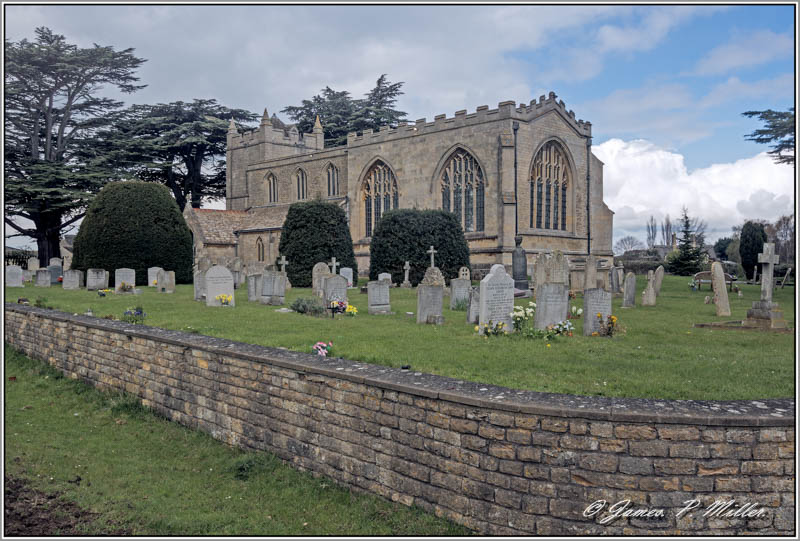
St Marys The Virgin Church Marholm is set on the outskirts of the village on the road to Milton Hall and Castor. It is the last resting place of the Fitzwilliam Family.

St Marys The Virgin Church Marholm

St Marys The Virgin Church Marholm

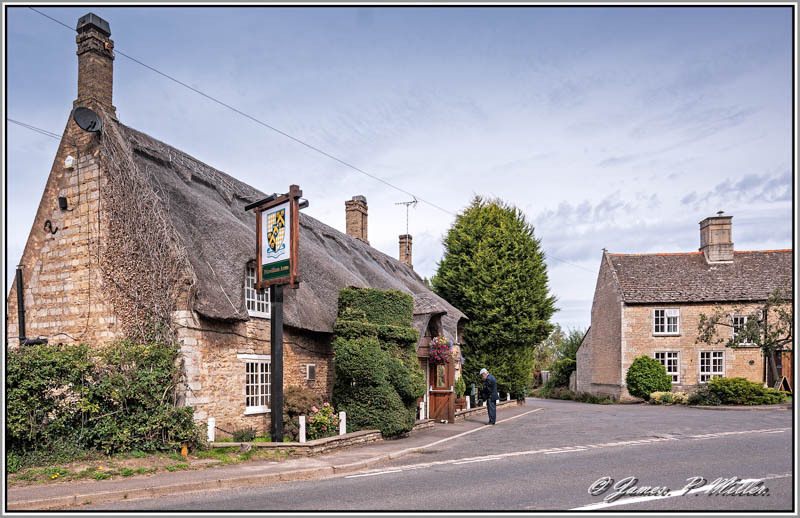
To reach Marholm Church you first have to pass The Fitzwilliam Arms with its welcoming presence, taking the road which leads to Milton Hall the home of the Earls Fitzwilliam.

The Fitzwilliam Arms
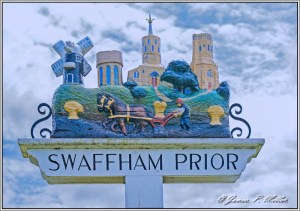
Village Sign and 
Just outside the village boundary you will find an entrance into a field where St. Mary’s The Virgin Church sits in all its isolation.

The church is the last resting place of The Fitzwilliam family, the 5th Earl Charles William Wentworth (1868-1857) who was a patron of JOHN CLARE, who’s mother and father were married in this church .

John Clare‛s mother Ann Stimson was Parker Clare’s senior by eight years, Ann was aged 35 when she married Parker, her parents where John (Town Shepherd) and Elizabeth who were from nearby Castor.

Fitzwilliam Resting Place

The headstone with the crest under the tree belongs to William Thomas George Wentworth-Fitzwilliam, the 10th Earl Fitzwilliam (1904—1979) he was last to hold the title.


Dorothy L Sayers Cambridgeshire Connections

Bluntisham

This was the home of Dorothy L Sayers writer and creator of the aristocratic detective Lord Peter Wimsey.

St Marys Church Bluntisham

St Marys Church, Bluntisham, Cambridgeshire

Her father was rector of St Marys Church Bluntisham between 1897 and 1917 before moving to the Parish Church in Christchurch.

He was responsible for the partial restoration and expansion to a ring of eight bells in 1910 which was only completed in 2004 when the bells were rehung in a new iron frame. This made a full circle ringing possible for the first time for 160 years. Perhaps an inspiration for his daughter’s novel The Nine Tailors.
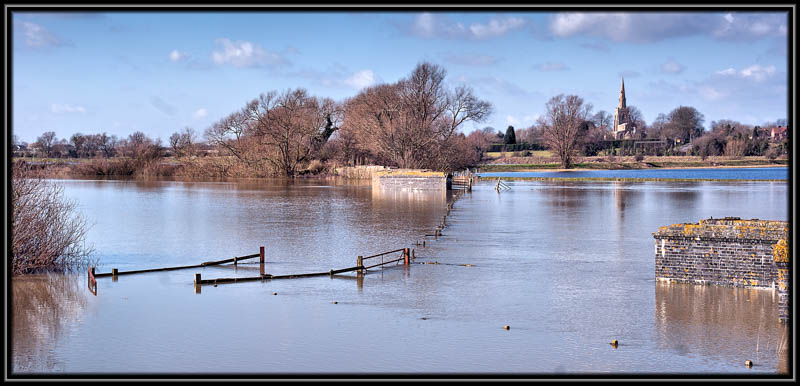
St Mary's Church, Bluntisham, Across The Flooded Great River Ouse.

St Marys Church, Bluntisham, Across The Flooded Great River Ouse. Cambridgeshire

It is said that the names of some of her characters in The Nine Taylors were inspired by the stone masons inscriptions in Bluntisham Churchyard a walk through the long grass failed to discover a H. Gotobed or an Ezra Wilderspin, but when all hope was almost lost we stumbled on a Thoday, a pity that it was not a William or James or even a Mary.

Cambs-Churches

Grave Stone, St Marys Church, Bluntisham, Cambridgeshire

Christchurch

Christchurch Village Sign

Christchurch Village Sign, Cambridgeshire, England
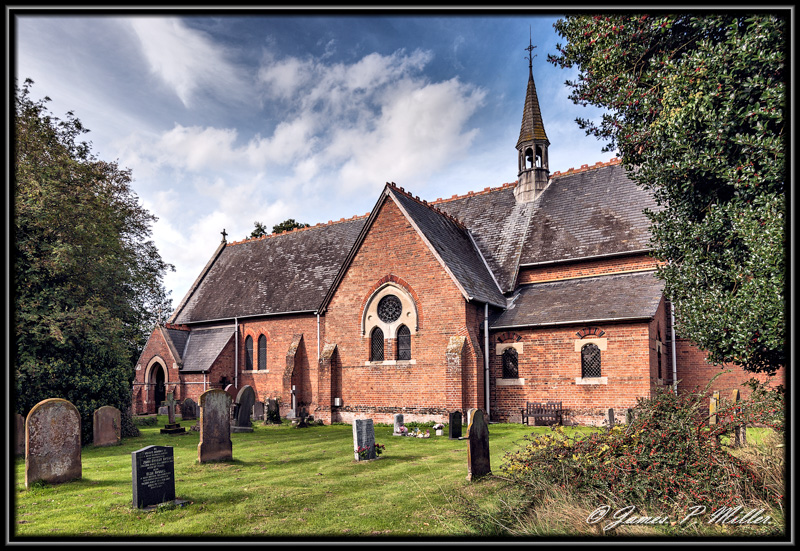
The Christ Church, Christchurch,

The Christ Church, Christchurch, Cambridgeshire, England

Henry and Helen Sayers moved from Bluntisham to Christchurch in 1917 and was rector there until his death in 1928.

Dorothy L Sayers it is said preferred Bluntisham, but was a frequent visitor to her parents home in Christchurch. She is said to have stated; “Christchurch is the last place God made, and when He’d finished he found He’d Forgotten the staircase!”

Henry Sayers photograph can still be seen in the vestry, the commemorative tablet to the couple was placed by parishioners at on the west end of the nave. They are buried in a grave on the north east side of the churchyard which was originally unmarked but their last resting place is now celebrated by a marble stone bearing their names.

March

St Wendra Church is situated on the outskirts of the fenland market town of March. Now surrounded by housing mainly of the modern variety, but this does not detract from the experience of crossing the threshold and encountering the heavenly angles suspended in all their glory.
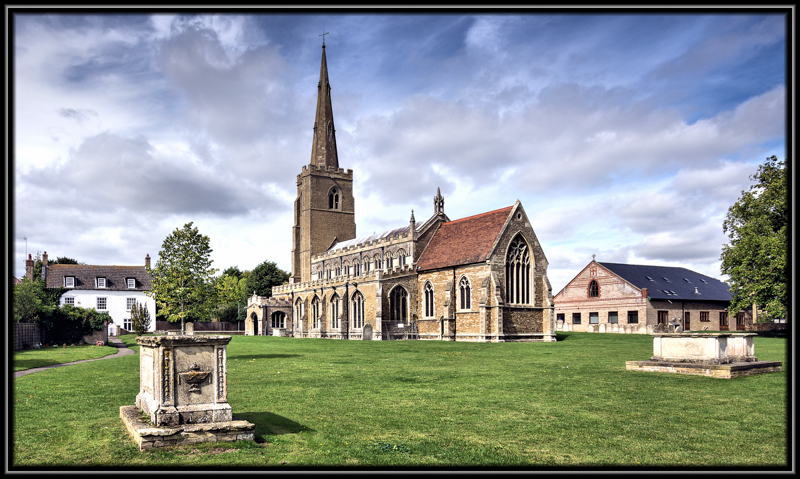
Saint Wendreda's Church, March,

St Wendreda’s Church, March, Cambridgeshire.

They are justifiably world famous and have been admired by many, notably Sir John Betjeman and Dorothy L Sayers .
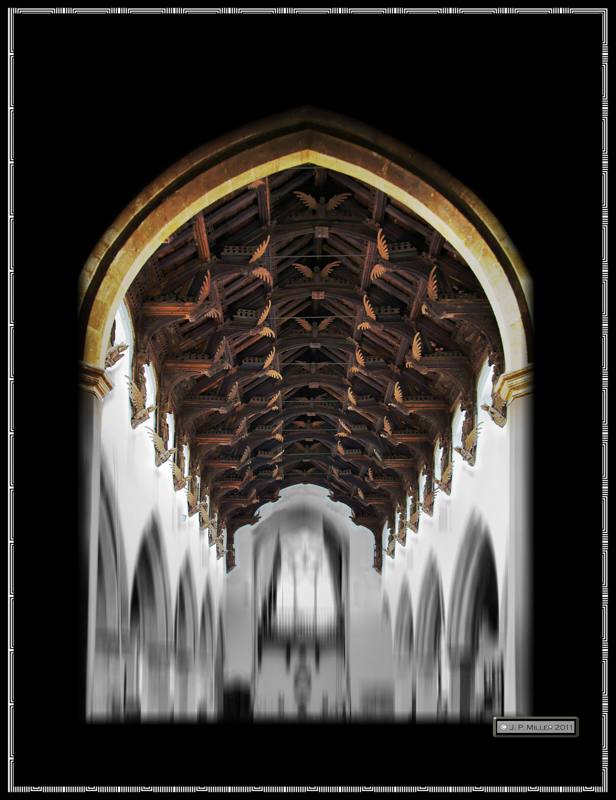
St Wendreda's Church

Angle Roof, St Wendreda’s Church, March, Cambridgeshire

Cambs-Churches

Angle Roof, St Wendreda’s Church, March, Cambridgeshire

Miss Sayers has Mrs Venables the rectors wife in The Lord Peter Wimsey novel The Nine Tailors compare the hummer beamed angle roof in Fenchurch St Pauls with those of Needham Market and March

“of course the angel roof is our great showpiece, I think myself it is lovelier than the ones in March and Needham Market”.

We did try to make our own comparison by visiting the church in Needham Market, Suffolk but found it locked with no indication who held a key, perhaps we may try an other day.?

Cambs-Churches

St Wendreda’s Church, March, Cambridgeshire.


LAURENCE STERNE Coxwold North Yorkshire

LAURENCE STERNE was born on November the 24th 1713 in Clonmel, County Tipperary, Ireland and died in London on March the 18th 1768, he was 52.

Thirsk Bank

He was the author of The Life and Opinions of Tristram Shandy, Gentleman which is widely considered the first postmodernist novel, well ahead of its times and a true forerunner to his fellow countryman James Joyce. He also was the author of A Sentimental Journey.

Rev Laurence Sterne

He was Vicar of the North Yorkshire village of Coxwold for eight years were he was laid to rest in 1969 when his body was exhumed when his London resting place St George’s, Hanover Square was sold for redevelopment.

“I am persuaded that every time a man smiles – but much more so when he laughs – it adds something to this fragment of life.”
Rev. Laurence Sterne

“But this is neither here nor there why do I mention it? Ask my pen, it governs me, I govern not it.”
Rev. Laurence Sterne

St Michael's Church


Edwin Muir. Swaffham Prior, Cambridgeshire.

Born in Orkney in 1887.

Socialist, Critic, Contributor to The New Age Magazine, Translator, one of Scotland’s best poets and perhaps a counter balance to Hugh MacDiarmid vision of Scotland and poetic language?

Laid to rest in Swaffham Prior churchyard Cambridgeshire along with his beloved wife Willa Anderson who was an author in her own right.

Edwin Muir's Cottage Swaffham Prior

In 1919 he married Willa Anderson and said not long after that “my marriage was the most fortunate event in my life”. They collaborated on English translations of such writers as Franz Kafka, Gerhart Hauptmann, Sholem Asch, Heinrich Mann, and Hermann Broch.

Ewin Muir' Last Resting Place

We were a tribe, a family, a people.

Wallace and Bruce guard now a painted field,

And all may read the folio of our fable,

Peruse the sword, the sceptre and the shield.

A simple sky roofed in that rustic day,

The busy corn-fields and the haunted holms,

The green road winding up the ferny brae.

But Knox and Melville clapped their preaching palms

And bundled all the harvesters away,

Hoodicrow Peden in the blighted corn

Hacked with his rusty beak the starving haulms.

Out of that desolation we were born.

Edwin Muir From Scotland 1941.

SONY DSC


Tickencote Rutland

Just off the busy Great North Road the turning into Tickencote can easily be missed but to say that it is well worth the effort of decreasing the speed and bearing left is under estimating the impression the church of St Peter’s makes on the edge of this little village on the edge of Rutland.

John Clare would walk from Great Castlerton along the river to Tickencore while working as a Lime Burner in the area, he believed he had written some of his best early poetry here and spent a few of his Sundays frequenting The Flower Pot Inn in the village.

Martha (Patty) Turner the future Mrs Clare was born on the 3rd March 1799 in Tickencote, he meet her while on his way to The Flower Pot Inn. The Flower Pot Inn today is a private house and the only evidence of it previous existence is the name on the fence of The Flower Pot Cottage.